
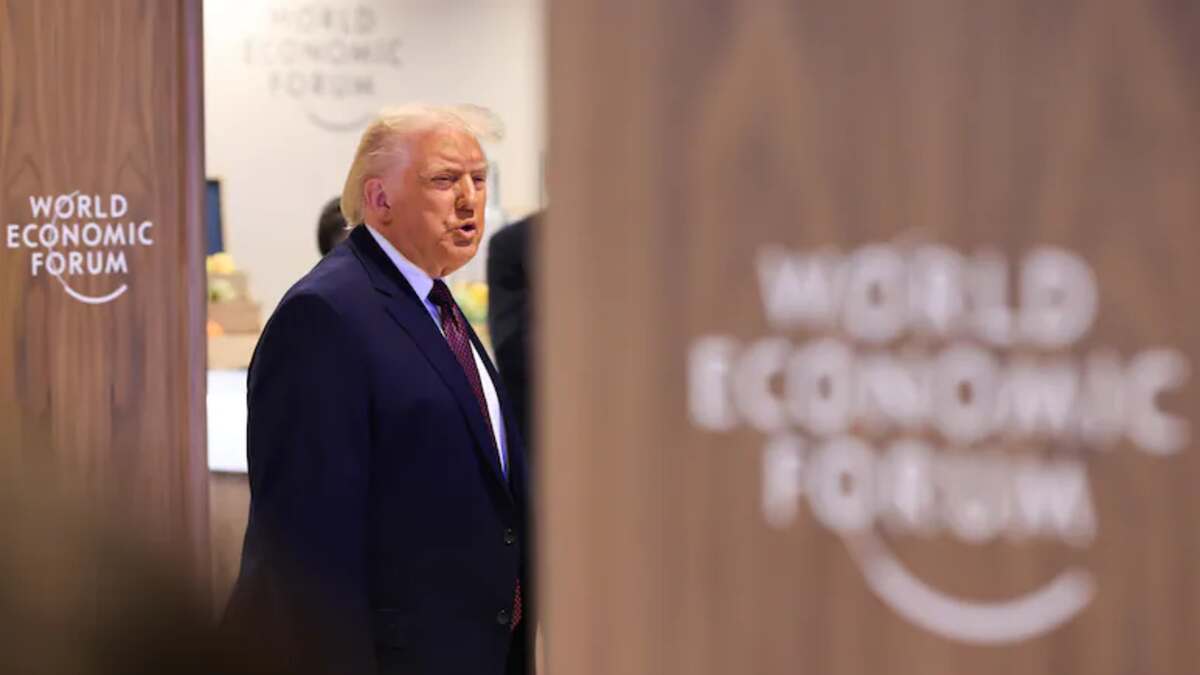

In a dramatic escalation of U.S. foreign policy toward Cuba, President Donald Trump has signed a sweeping executive order threatening tariffs on any country that supplies oil to Cuba, marking one of the most aggressive moves in Washington’s long-running economic campaign against Havana. The announcement has reverberated across the Americas and beyond, signaling heightened tensions in energy diplomacy, trade relations, and geopolitical alignments as Cuba grapples with a deepening energy crisis and strained international alliances in early 2026.
The executive order, issued on January 29–30, 2026, effectively declares a national emergency with respect to Cuba, empowering the United States to impose secondary tariffs — a tactic similar to sanctions but applied through trade duties — on goods from nations that “directly or indirectly” sell or provide oil to the Caribbean island. Although the order does not specify exact tariff rates or identify specific countries that may be targeted, it grants broad discretion to U.S. agencies, particularly the Secretaries of Commerce and State, to make these determinations in the weeks ahead.
The background to this move reflects a stark deterioration in Cuba’s energy lifelines. Historically dependent on Venezuelan oil imports, Havana has faced acute shortages after the U.S. military captured ousted Venezuelan President Nicolás Maduro in December 2025 and effectively disrupted Venezuelan oil shipments. With Venezuela largely cut off, Mexico emerged as Cuba’s principal alternative supplier, but recent reports show that Mexican state oil company Pemex has paused deliveries amid concerns over potential U.S. retaliation and tariff exposure.
Trump’s order invokes the International Emergency Economic Powers Act (IEEPA) and frames Cuba as an “extraordinary threat” to U.S. national security. The order’s language goes beyond energy policy, alleging that the Cuban regime maintains intelligence cooperation with countries like Russia, China, and Iran, and provides a haven for organisations the U.S. labels hostile. This broad national security framing underscores the Trump administration’s approach to intertwining energy diplomacy with strategic geopolitical concerns.
In reaction to the executive order, Cuba’s government has vehemently condemned the policy, with Foreign Minister Bruno Rodríguez calling the tariffs a “brutal act of aggression” and accusing the United States of attempting to throttle essential services across the island. Cuban officials warn that the economic squeeze — already intensified by decades of U.S. embargo — could cripple critical infrastructure like electricity generation, healthcare, agriculture, and water supply.
The domestic political response in Mexico has been tense and complex. President Claudia Sheinbaum has insisted that any adjustments to Mexican oil shipments to Cuba are sovereign decisions and not direct capitulations to U.S. pressure. However, global media reporting indicates that Mexico’s pause in deliveries has been influenced by concerns over economic retaliation and tariff damage to its own exports to the United States. This places Mexico, a key regional partner, in a diplomatic bind, balancing humanitarian solidarity with Cuba against broader strategic and economic interests tied to Washington.
Energy analysts warn that the tariffs — even if not immediately targeted at specific countries — have already disrupted regional energy supplies for Cuba, which now has only weeks of oil reserves left. Cuban citizens are experiencing long gasoline lines, widespread blackouts, and shortages of essential goods, heightening the humanitarian urgency of the situation. Some experts believe that the tariff threat could deepen this crisis, potentially pushing Cuba toward even greater socioeconomic instability.
Beyond the immediate energy implications, Trump’s threat also raises concerns about international trade norms and extraterritorial sanctions. By leveraging tariffs — traditionally a tool of economic negotiation — as a mechanism to influence another country’s energy partners, the United States is testing the boundaries of trade law and diplomatic pressure in ways that could have ramifications for countries beyond the Western Hemisphere.
The situation also reflects broader U.S. strategic priorities, particularly in context with recent actions in Venezuela and continued pressure on other countries perceived as aligned with U.S. adversaries. The use of tariff threats as a foreign policy instrument blurs lines between economic sanctions and trade policy, potentially setting precedents for how trade enforcement might be used alongside national security considerations in future geopolitical disputes.
As the new tariff mechanism takes shape and nations await potential designation as targets under the executive order, global observers are closely watching how energy supply routes, diplomatic relationships, and regional stability will evolve. Whether this pressure campaign leads to negotiations with Cuba’s government, shifts in oil supply partnerships, or broader geopolitical realignments remains uncertain, but the policy underscores how economic tools continue to be used in high-stakes international strategy in 2026.
