

The pharmaceutical industry is entering a pivotal year as several major clinical trial readouts in oncology, obesity, and rare diseases are expected to shape the future of global healthcare. Researchers, investors, and health regulators are closely watching a wave of studies scheduled for results in 2026 that could determine whether new treatments become the next generation of blockbuster medicines.
Clinical trials represent the most critical stage in the development of new therapies. During these studies, experimental drugs are tested in carefully controlled settings to determine their safety and effectiveness in patients. When trial results are positive, pharmaceutical companies can move toward regulatory approval, potentially introducing new treatments that transform how diseases are managed.
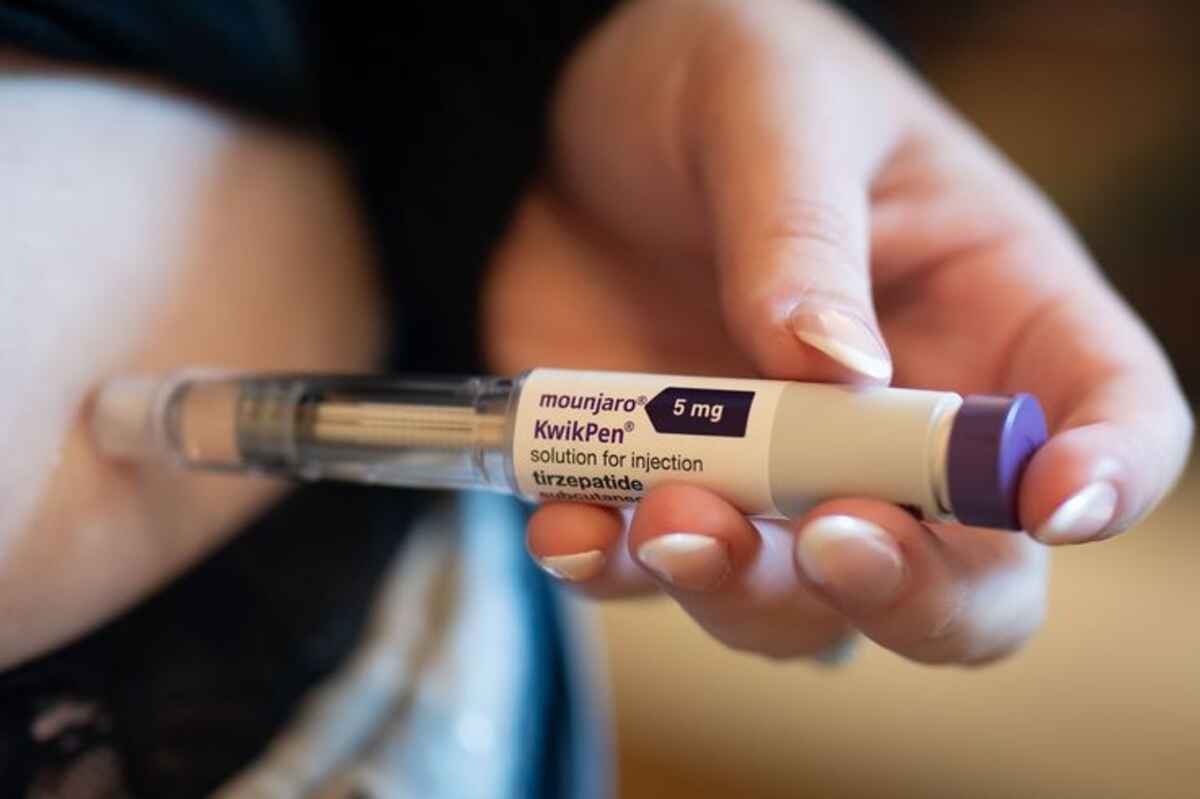
One of the most closely watched areas in 2026 is obesity treatment. Over the past few years, drugs targeting appetite and metabolic pathways have generated enormous demand and revenue for pharmaceutical companies. New therapies are now attempting to build on the success of GLP-1 medications such as semaglutide and tirzepatide. Several experimental drugs aim to produce greater weight loss, fewer side effects, or more convenient dosing options. For example, Roche and Zealand Pharma recently reported promising mid-stage results for the experimental obesity drug petrelintide, which produced about 10.7 percent weight loss during a clinical trial involving hundreds of participants.
Competition in the obesity drug market is also intensifying as companies develop oral treatments that could replace injectable therapies. Eli Lilly is preparing to introduce a new pill-based obesity drug called orforglipron, which could reach the market after regulatory approval and potentially expand access to weight-loss treatments for millions of patients. These developments illustrate how pharmaceutical companies are racing to develop next-generation therapies that improve convenience and long-term outcomes for patients.
At the same time, oncology remains one of the most active fields in drug development. Many of the clinical trial readouts expected in 2026 involve experimental cancer therapies that target specific biological pathways. Modern oncology drugs increasingly rely on precision medicine approaches, where treatments are designed to target particular genetic mutations or proteins involved in tumor growth. This strategy has already produced major breakthroughs in recent years and continues to drive research investment across the biotechnology industry.
Some new therapies being studied include monoclonal antibodies and immune-based treatments that stimulate the body’s immune system to attack cancer cells. Researchers are also exploring treatments that address cancer-related complications such as cachexia, a condition causing severe weight loss and muscle wasting in advanced cancer patients. An experimental antibody therapy known as ponsegromab is being investigated for this purpose and has shown promising early-stage results in improving body weight in patients with several cancer types.
Rare diseases are another focus of upcoming clinical trial results. Because many rare conditions currently lack effective treatments, successful trials can have a dramatic impact on patient care. Advances in gene therapy and RNA-based medicines are enabling scientists to target the genetic causes of diseases rather than only managing symptoms. These technologies have already produced groundbreaking treatments for conditions such as spinal muscular atrophy and inherited blindness, and researchers hope similar approaches will expand to additional rare disorders.
The broader biotechnology sector is particularly hopeful that these trial results will help revive investment and innovation after several years of funding slowdowns. Analysts say that positive clinical readouts often trigger major investment flows into biotechnology companies and pharmaceutical pipelines. In contrast, disappointing results can quickly shift investor sentiment and reshape corporate strategies across the industry.
Another important trend emerging from the latest clinical research is the growing use of combination therapies. Instead of relying on a single drug, many trials are evaluating combinations that target multiple biological mechanisms simultaneously. This approach may improve treatment effectiveness for complex diseases such as cancer, obesity, and metabolic disorders.
As these studies progress throughout 2026, the outcomes will play a decisive role in determining the next generation of medical breakthroughs. Successful trials could lead to revolutionary treatments that extend life expectancy, improve quality of life, and reshape healthcare markets worldwide.
For patients and researchers alike, the coming months represent a crucial moment. Each new clinical trial result brings the possibility of transforming scientific discoveries into real-world therapies capable of changing millions of lives.
