
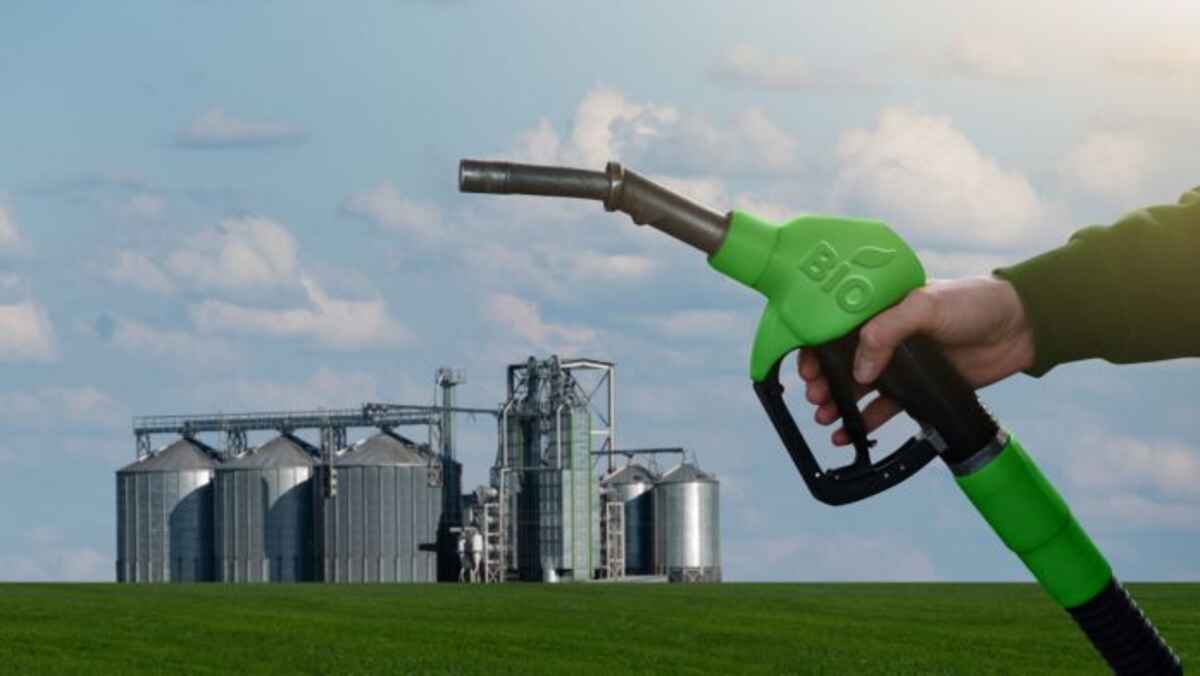

The energy and agriculture sectors are moving closer together as companies search for sustainable alternatives to fossil fuels. One of the most notable developments in this space is the launch of a new biofuel joint venture called Etlas, created by agriculture technology company Corteva and energy giant BP. The partnership aims to accelerate the production of plant-based feedstocks used to create cleaner transportation fuels.
The joint venture represents a 50-50 partnership between the two companies. Its primary goal is to produce oil derived from crops such as canola, mustard, and sunflower. These plant-based oils will be used to manufacture renewable fuels including sustainable aviation fuel and renewable diesel, two key solutions expected to reduce carbon emissions in transportation industries.
The new company brings together expertise from two different industries. Corteva contributes decades of experience in seed technology and agricultural science, allowing it to develop crop varieties that are optimized for biofuel production. BP, on the other hand, provides its extensive knowledge of refining, energy distribution, and fuel marketing. By combining these capabilities, the partnership aims to build a more efficient supply chain for renewable fuels.
One of the most significant goals of the venture is scaling up production capacity. The company plans to produce around one million metric tonnes of biofuel feedstock per year by the mid-2030s, which could generate more than 800,000 tonnes of renewable fuel annually. These fuels are expected to be used in both aviation and ground transportation sectors, where reducing carbon emissions remains a major challenge.
Initial feedstock supplies are expected to begin in 2027. The materials produced by the venture will be processed in existing oil refineries as well as dedicated biofuel facilities, allowing energy companies to gradually transition toward lower-carbon fuels without completely replacing existing infrastructure.
Another unique aspect of the initiative is its approach to crop production. The crops used for biofuel feedstock will often be grown on farmland between major food crop seasons. These “intermediate crops” are planted during periods when farmland might otherwise remain unused. This method allows farmers to generate additional revenue while improving soil health and avoiding the need to expand agricultural land.
The partnership also highlights the rapidly growing demand for sustainable aviation fuel. Airlines around the world are under increasing pressure to reduce carbon emissions, and biofuels are seen as one of the most practical solutions in the near term. Industry estimates suggest that demand for sustainable aviation fuel could increase dramatically by the end of the decade as governments introduce stricter climate regulations and airlines adopt cleaner energy strategies.
For farmers, the venture could open up a new agricultural market. By growing crops specifically designed for energy production, farmers may gain access to long-term contracts and new income streams. At the same time, energy companies gain a more reliable supply of renewable feedstock that can support large-scale biofuel production.
The partnership between Corteva and BP reflects a broader shift occurring in the global energy industry. As governments and companies push toward net-zero carbon targets, traditional fossil fuel companies are investing more heavily in renewable fuels, bioenergy, and other low-carbon technologies.
While biofuels alone will not solve the climate challenge, projects like Etlas demonstrate how agriculture and energy industries can collaborate to develop scalable solutions. By connecting farming innovation with large-scale fuel production, the venture aims to help build a more sustainable energy system while creating new economic opportunities across both sectors.
