

A groundbreaking shift in modern medicine is unfolding as long-distance robotic surgery successfully connects doctors and patients across countries, transforming what was once considered impossible into a real-world clinical achievement. In 2026, multiple successful telesurgeries performed across thousands of kilometers have demonstrated that physical distance is no longer a barrier to life-saving medical procedures.
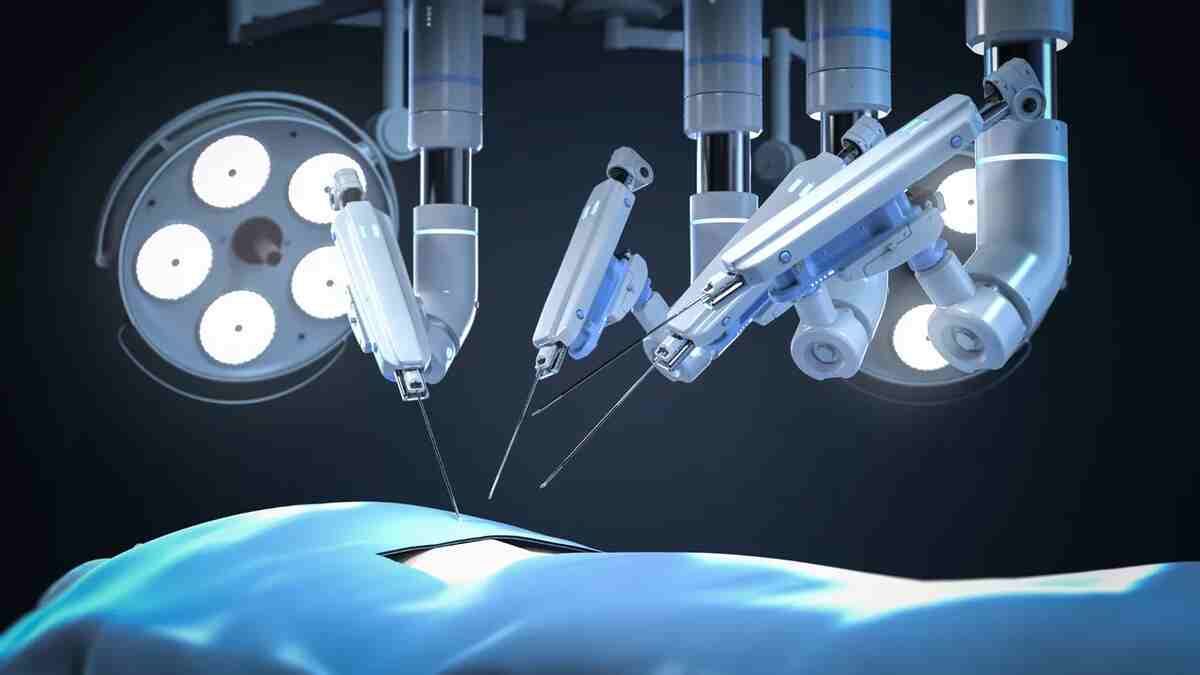
One of the most remarkable recent cases involved a surgeon based in London performing robotic surgery on a patient located in Gibraltar, more than 1,500 miles away. Using a highly advanced robotic system equipped with four mechanical arms and a 3D high-definition camera, the surgeon was able to operate in near real time with minimal delay, achieving precision comparable to traditional in-person procedures. This milestone highlights how far surgical technology has advanced, bringing a science-fiction concept into everyday clinical reality.
Another historic achievement came from cross-border operations involving Asia, where surgeons successfully conducted procedures across distances exceeding 5,000 to 8,000 kilometers. In one case, a doctor performed surgery on patients in Mumbai while operating remotely from Shanghai, showcasing the global reach of this technology. These operations are not isolated experiments but part of a growing trend in which robotic systems are being used regularly to extend expert care beyond geographic limitations.
The technology behind telesurgery relies on a combination of robotics, high-speed internet, and real-time data transmission. Surgeons operate from a console that translates their hand movements into precise actions performed by robotic instruments inside the patient’s body. The use of fiber-optic networks ensures that commands are transmitted almost instantly, often with delays as low as a few milliseconds, allowing surgeons to maintain full control during complex procedures.
Recent developments also show that robotic telesurgery is not only feasible but increasingly reliable. Clinical trials have indicated that remote robotic procedures can match the safety and effectiveness of traditional robotic surgeries performed in the same room. This validation is critical for wider adoption, as healthcare systems require strong evidence before integrating such advanced technologies into routine practice.
Beyond individual success stories, the global healthcare industry is rapidly investing in telesurgery infrastructure. Companies and hospitals are expanding robotic systems into multiple countries, enabling surgeons to perform operations remotely in regions where specialized expertise is limited. For example, new approvals in Southeast Asia have allowed robotic systems to be used for remote surgeries across multiple nations, further accelerating adoption.
The implications of this technology are profound. In many parts of the world, access to skilled surgeons remains a major challenge, particularly in rural or underserved regions. Telesurgery has the potential to bridge this gap by allowing top specialists to operate on patients anywhere in the world without the need for travel. This could significantly reduce delays in treatment, improve outcomes, and save lives.
However, challenges still remain before telesurgery becomes mainstream. High infrastructure costs, the need for ultra-reliable internet connectivity, and regulatory approvals across different countries are key hurdles that must be addressed. Additionally, concerns around cybersecurity and system failures must be carefully managed to ensure patient safety.
Despite these challenges, the momentum behind robotic telesurgery continues to grow. Advances in artificial intelligence, robotics, and global connectivity are making these systems more efficient, accessible, and scalable. Experts believe that in the near future, remote surgeries could become a standard part of healthcare delivery, especially in emergency situations where time is critical.
The success of long-distance robotic surgery marks a turning point in medical history. By removing geographical barriers and enabling real-time global collaboration, this innovation is not only redefining how surgeries are performed but also reshaping the future of healthcare itself.
