
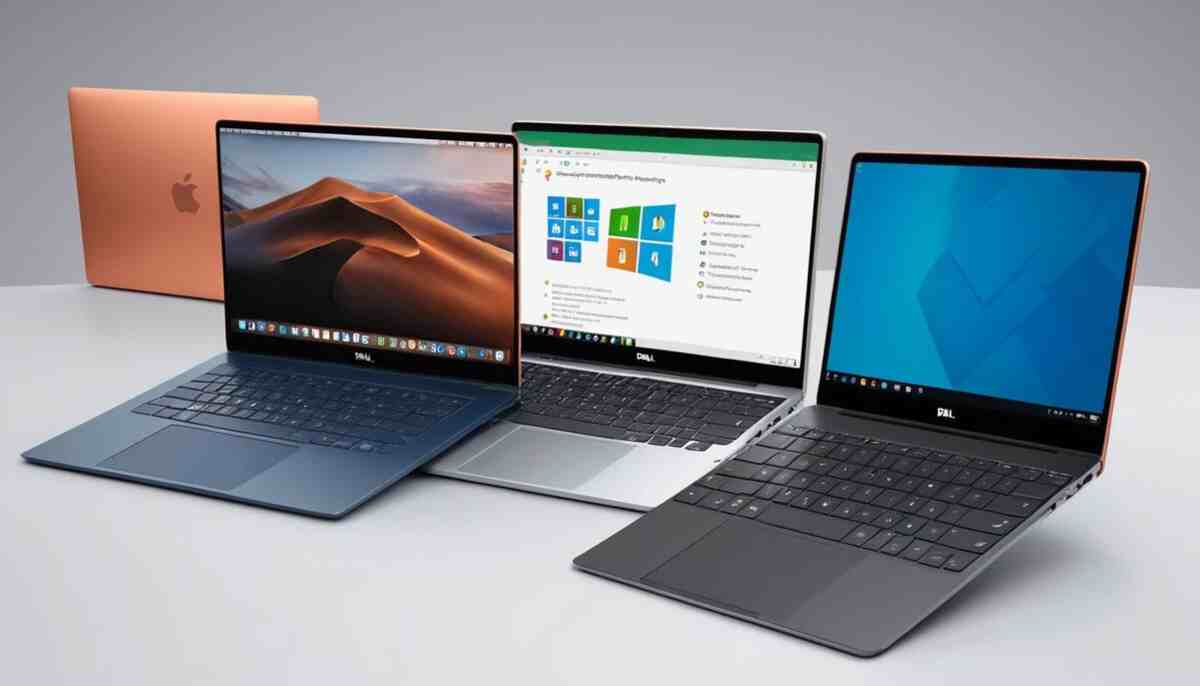

Google has officially introduced the Googlebook, a groundbreaking portable computing device positioned as the true successor to the Chromebook. Unveiled on May 14, 2026, the Googlebook represents a significant evolution in personal computing, blending the simplicity of ChromeOS with powerful new hardware and AI capabilities designed for the modern hybrid lifestyle.
The Googlebook features a sleek, ultra-thin design weighing just 1.1 kilograms with a 14-inch high-resolution OLED touchscreen that offers vibrant colors and deep contrast. Unlike traditional Chromebooks, it runs on Google’s custom Tensor G4 chip, delivering desktop-class performance while maintaining exceptional battery life of up to 22 hours on a single charge. The device supports seamless transitions between laptop, tablet, and tent modes thanks to its 360-degree hinge and optional stylus support for note-taking and creative work.
At its core, the Googlebook is built around Google’s vision of ambient computing. It integrates deeply with Gemini AI, allowing users to summon intelligent assistance for everything from summarizing documents and generating presentations to real-time language translation during video calls. The AI can understand context across apps, making multitasking more intuitive than ever. Users can simply highlight text or speak naturally to the device, and Gemini handles complex tasks with impressive accuracy.
One of the most notable upgrades is the shift from cloud-only dependency. While retaining the lightweight and secure advantages of ChromeOS, the Googlebook introduces substantial onboard storage options starting at 512GB, with local AI processing capabilities that work offline. This addresses long-standing user feedback regarding Chromebooks’ reliance on constant internet connectivity. The device also includes advanced security features powered by the Titan M3 chip, ensuring enterprise-grade protection for both personal and professional use.
Connectivity has been future-proofed with Wi-Fi 7, 5G support, and multiple Thunderbolt 5 ports. The Googlebook excels in video conferencing with a 1080p center-facing camera enhanced by AI-powered framing, background noise cancellation, and studio-quality audio. Creatives will appreciate the improved graphics performance, which supports light video editing, 3D modeling, and graphic design work directly on the device.
Google emphasized education and productivity in the launch event. The Googlebook comes preloaded with enhanced versions of Google Workspace apps optimized for the larger screen and faster processor. Schools and businesses can manage fleets more efficiently through updated admin controls and zero-touch deployment features.
Early reviews praise the Googlebook’s premium build quality, featuring a durable aluminum chassis with eco-friendly materials and a haptic feedback keyboard that feels responsive and comfortable for long typing sessions. The device runs the latest ChromeOS 126, which introduces a more refined desktop interface, better window management, and deeper integration with Android apps.
Pricing starts at $699 for the base model, making it competitively positioned against premium Windows laptops and MacBooks while offering better value for users already embedded in Google’s ecosystem. Higher configurations with more RAM and storage reach up to $1,299.
This launch signals Google’s renewed commitment to hardware innovation following years of Chromebook success in education markets. By addressing previous limitations and infusing powerful on-device AI, the Googlebook aims to attract professionals, students, and creators who want a versatile, secure, and intelligent portable computer without the complexity of traditional operating systems.
As remote and hybrid work continue to dominate, the Googlebook arrives as a timely solution that combines portability, performance, and intelligence. With strong early momentum, it has the potential to redefine expectations for what a modern portable computing device can achieve in the AI era.
