
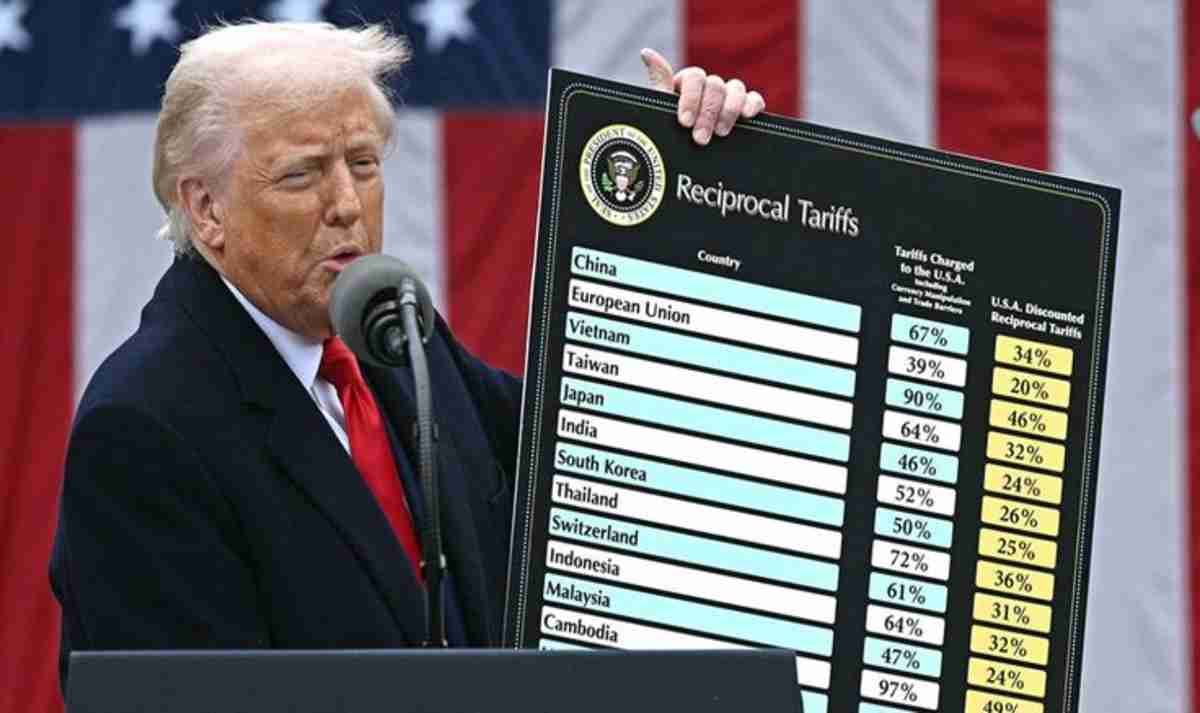

Trade tensions between the United States and Europe are back in focus due to new tariff threats from ex-U.S. President Donald Trump. Even though these proposals have made the front pages and are motivating discussions among policymakers and business people, analysts think the very close economic relations between the U.S. and the EU are strong enough to withstand political drama, and that main trade flows will continue.
The U.S. and the EU together form one of the biggest and most important trade partnerships worldwide. Every year, products and services valued in the hundreds of billions of dollars are exchanged between these two economies, supporting the jobs of millions of people in various sectors like manufacturing farming technology pharmaceuticals finance, and car production. This cross-border partnership going back many years is still an important factor in world trade.
Tariffs are the additional costs determined by the government that imported commodities have to bear. Governments resort to tariffs either as a means of protecting local industries or as a way of pressuring trade partners into concessions. Though tariff plans may cause investors to feel uneasy, economists emphasize that major changes in trading relationships do not usually happen overnight. Companies having interlinked supply chains are generally able to respond by altering their source countries, stockpiling, or signing new agreements.
Talks about potential tariffs have brought forth a fear of deteriorating conditions for both European and American exporters and manufacturers. If new trade barriers come about, items like cars machinery high-end goods, chemicals, and agricultural commodities might become more expensive. Still, some market watchers think that the economic ties between the U.S. and Europe are so strong that a complete break in trade would be very unlikely.
A number of large corporations have facilities for production, R&D, and distribution in both areas. These kinds of investments that cross borders give rise to business ties that go well beyond mere buying and selling of goods. So, during times of political disputes or changes in trade rules, companies tend to keep cooperating.
Generally, capital markets have reacted to the recent tariff talks with a bit of hope mixed with caution. Investors are aware that at times politicians use words and tactics that are not necessarily meant to be converted into actual policies right away. Even though trade-related information might cause a short-term change in the feeling of the market, it is a common practice among business people to wait for government decisions before carrying out major operational changes.
