
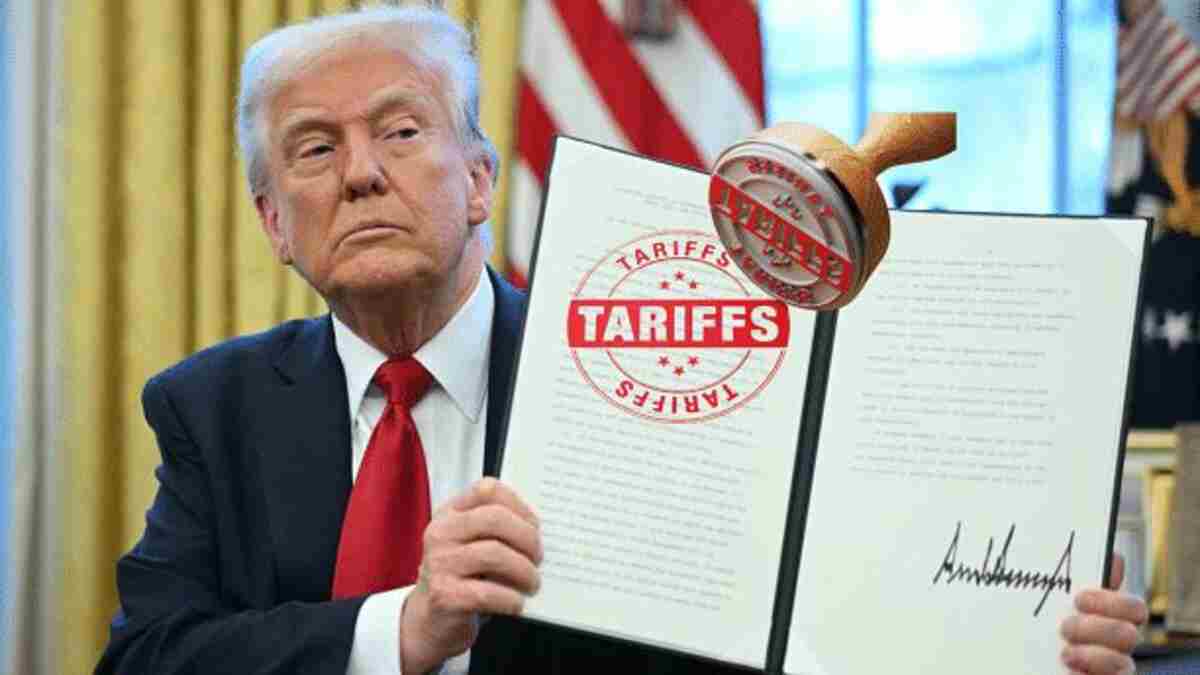

Just hours before higher tariffs on 50 percent duties were due to kick-in for another fresh round of American tariffs, US President Donald Trump proclaimed a three-day delay on duties amounting to nearly 20 billion dollars on Canadian products. The announcement, made at break-neck speed on social networks on Tuesday evening, followed on the heels of last-ditch trade-talks between CanUS and offered a brief break to businesses UU. Trump added this pause was because the 2 nations, pending the approval of documents, had settled upon a trade agreement.
Tariffs, scheduled to go into effect at 12:01 a.m. Wednesday, would have affected numerous goods like any dairy or alcoholic beverages, and furniture among others, representing a relatively small percentage of the total two-way trade but with considerable political import.
Canadian Prime Minister Mark Carney has announced the delay until the close of the day of August 21. He has been much more cautious yet suggesting that there has been a significant advancement in negotiations, but also the might be considerable amount of work to be finished. The deal came after days of intense high-level talks. Trump and Carney spoke several times during the week as negotiators battle to try to resolve long-standing points of friction. The American side has demanded wider market access for American productsmainly autos, dairy and alcoholand wider commitments on economic security and digital trade. Canadian sides have wanted more stability for their exporters and a reduction of U.
S. tariffs already hurting some sectors. In the post Trump also spoke about the 13-year-old behemoth, KBX X, which may be resurrected as part of the package. There was no specific information on that or the underwhelming specifics of the interim tentative deal, as the Office of the U.S Trade Rep said it would encompass everything under the sun re markets and protections for Americans, but details were sparse as both sides got to drafting the system of the deal. For Canadian exporters, the freeze provided desperately needed breathing room.
A 50 percent tariff could have spiked costs on some shipments by a significant margin, inviting retaliation that could further complicate the otherwise tight economic integration. The United States and Canada trade hundreds of billions of dollars in goods and services annually, and even narrow tariffs can cause flows to ripple back and forth over the border several times in supply chains. Business associations on both sides celebrated the halt while sending a clear message to negotiators.
The episode underscores the fragility of the bilateral relationship. The previous rounds of tit-for-tat tariffs had also played their part in putting the relationship to the test, with Canada being one of a handful of early responders before reversing course. The current threat has come from worries about what the US had termed discriminatory policies, while Canadian politicians have been wary of domestic industry.
