
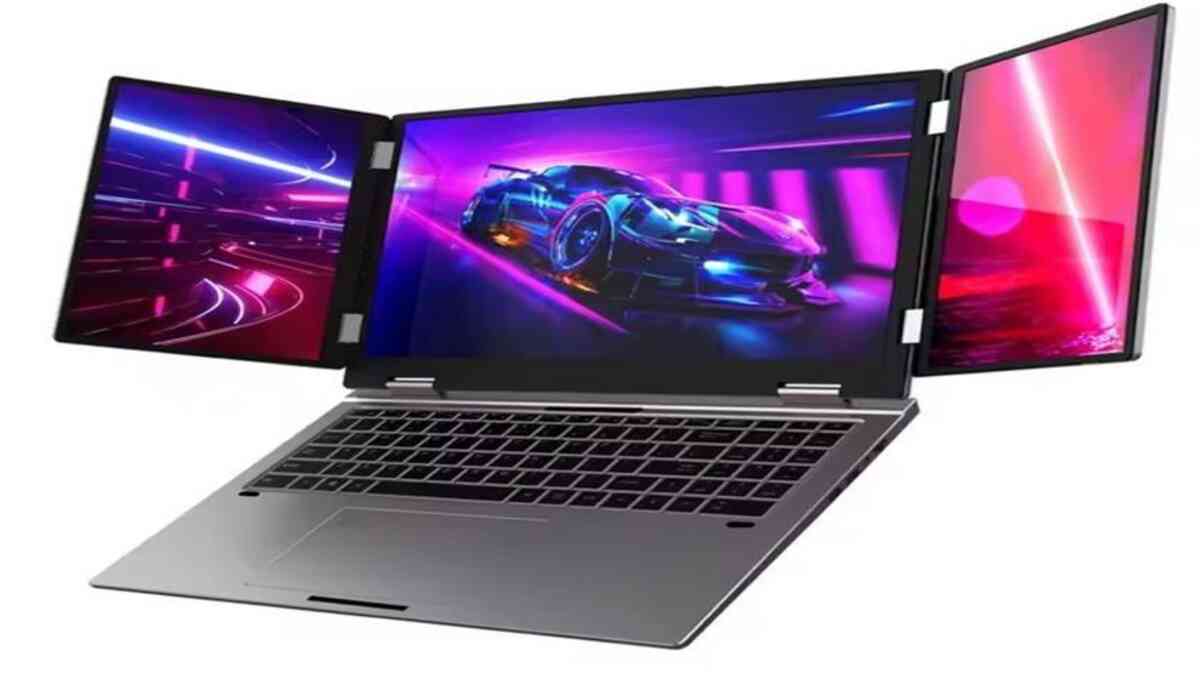

A new chapter in portable computing is unfolding as dual-hinge foldable laptops rapidly gain traction in the consumer market. These next-generation devices are reshaping expectations around mobility, screen flexibility, and multi-tasking, offering users a blend of tablet portability and full laptop productivity. With several major tech manufacturers introducing refined dual-hinge designs, 2025 is emerging as the breakthrough year for foldable laptops to move from niche innovation to mainstream adoption.
Unlike earlier single-hinge foldable models, the dual-hinge architecture allows the display to bend more naturally across two points, reducing stress on the panel and improving long-term durability. This layout also enables new form factors: users can extend the screen completely flat for a seamless tablet experience, fold it partially for a dual-screen workstation, or compact it into a smaller footprint for portability. The increased flexibility is one of the strongest reasons behind growing consumer interest.
These devices are equipped with ultra-thin OLED or micro-LED displays engineered to withstand thousands of folds without creasing. Manufacturers have refined protective layers, hinge tension systems, and dust-resistant mechanisms, addressing concerns that plagued earlier foldable experiments. The result is a smoother folding action, improved resistance against wear, and enhanced clarity when the device is fully opened.
Performance is another major area of advancement. The latest foldable laptops feature high-efficiency processors, integrated AI accelerators, and advanced cooling systems strategically placed to support both folded and unfolded modes. Users benefit from balanced performance whether they are editing videos on a large expanded display, taking notes in tablet mode, or running multiple apps side-by-side. These improvements make the new dual-hinge foldables much more than a tech novelty—they are practical tools for work, creativity, and entertainment.
One of the biggest appeals is the multi-screen productivity options. With the dual-hinge system, the laptop can be flexed into a two-panel setup, functioning like a dual-monitor workstation without external accessories. This mode benefits programmers, designers, students, and remote workers who need simultaneous windows for research, communication, and task execution. Some models even allow customizable screen partitions, turning one large foldable display into three or four working zones.
Battery efficiency is evolving as well. Foldable laptops historically struggled with energy consumption due to large displays, but new adaptive refresh-rate technology and optimized power management systems significantly extend battery life. Intelligent software adjusts brightness, refresh rates, and energy usage depending on how the device is folded and what tasks are being performed.
On the consumer side, early adopters highlight portability and versatility as the biggest reasons for switching. A foldable laptop can transform into a tablet for meetings, a full desktop-like display for work, and a compact book-sized device while traveling. This level of adaptability appeals strongly to digital nomads, creative professionals, and hybrid workers who want more functionality without carrying multiple gadgets.
However, pricing remains a hurdle. Dual-hinge foldable laptops use complex engineering and premium materials, placing them in a higher price bracket compared to conventional laptops. Yet, as manufacturing matures and competition increases, analysts expect prices to drop while durability and performance continue improving. The consumer tech industry has seen similar trends with foldable smartphones, which became more accessible within just a few years.
Despite the challenges, excitement around dual-hinge foldables is steadily rising. Retailers report growing interest, and manufacturers are expanding their product lines to cater to different use cases—from creators and gamers to enterprise professionals. With continuous innovation in hinges, materials, and display technologies, the foldable laptop category is poised to become one of the most dynamic segments in personal computing.
As adoption grows, dual-hinge foldable laptops are no longer futuristic concepts—they are becoming practical, everyday devices that redefine how users interact with digital content. The momentum is clear, and the future of portable computing is unfolding one hinge at a time.
