
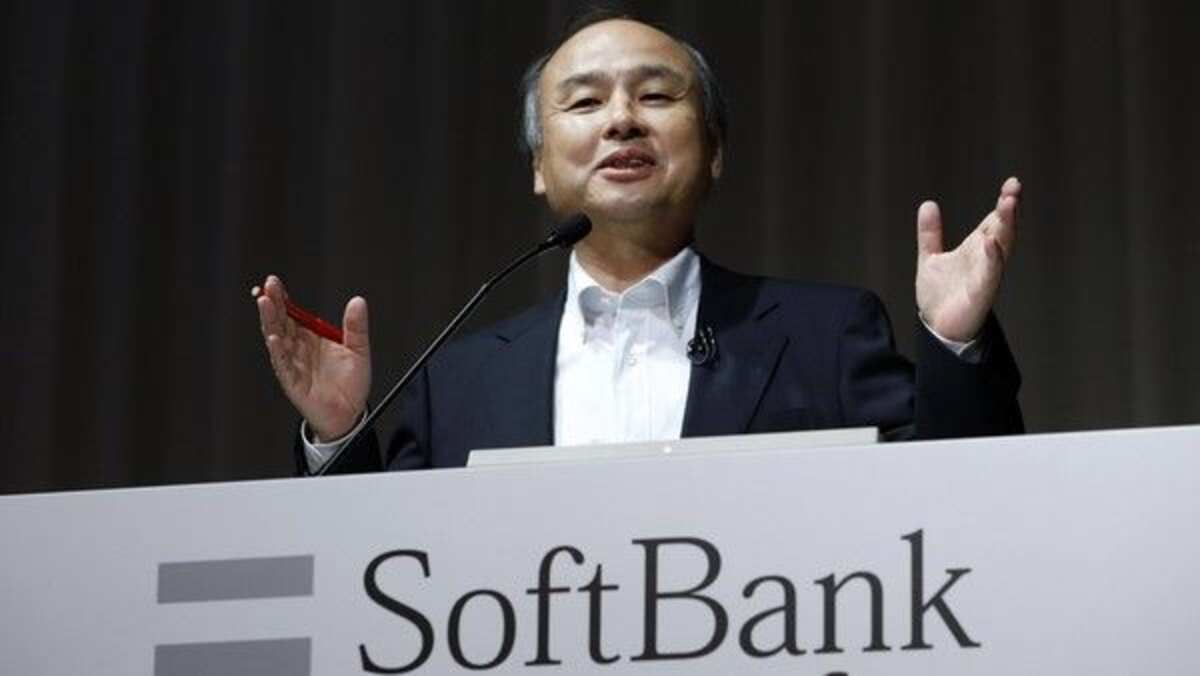

After several years of cautious deal-making and portfolio consolidation, SoftBank is once again moving aggressively into the global investment spotlight. In 2025, the Japanese technology investment giant is placing some of its biggest bets not on consumer apps or speculative platforms, but on AI infrastructure startups that form the backbone of the artificial intelligence revolution. This renewed focus marks a strategic shift shaped by hard lessons from the past and a clear-eyed view of where long-term value now lies.
SoftBank’s earlier slowdown followed heavy losses during the global tech correction, when inflated valuations and unprofitable growth models exposed weaknesses across its portfolio. Vision Fund investments in areas like shared mobility, e-commerce, and quick-commerce struggled as capital dried up and interest rates climbed. In response, SoftBank prioritized balance-sheet discipline, debt reduction, and selective investing. That phase, however, also gave founder Masayoshi Son time to recalibrate his long-term vision around artificial intelligence.
AI infrastructure has emerged as that vision’s foundation. Unlike consumer-facing AI tools that depend on trends and user behavior, infrastructure startups provide essential components such as data centers, AI-optimized chips, cloud computing layers, and high-performance networking systems. These businesses benefit from sustained demand as enterprises, governments, and cloud providers race to deploy AI at scale. For SoftBank, infrastructure offers durability, predictable revenue models, and strategic relevance across multiple industries.
A key driver behind this renewed confidence is SoftBank’s close alignment with the semiconductor ecosystem. Its ownership stake in Arm gives the group a unique vantage point into how AI workloads are reshaping chip architecture, power efficiency, and server design. As AI models grow larger and more complex, demand for specialized hardware has surged, creating fertile ground for startups focused on AI accelerators, energy-efficient processors, and next-generation servers.
SoftBank’s recent investments reflect this thesis. The company has shown strong interest in startups building hyperscale-ready data centers, AI cloud platforms, and networking technologies that reduce latency and power consumption. These investments are less exposed to consumer sentiment and more closely tied to enterprise contracts, long-term capacity agreements, and national digital infrastructure programs. In an era where governments view AI as a strategic asset, infrastructure players are increasingly treated as mission-critical partners.
Another reason for SoftBank’s renewed aggression is timing. The AI boom has moved beyond experimentation and into deployment. Enterprises are no longer asking whether to adopt AI but how fast they can scale it securely and cost-effectively. This shift has created a bottleneck in infrastructure, from chip shortages to data center power constraints. By backing companies that solve these problems, SoftBank positions itself at the center of AI’s next growth phase rather than its speculative edge.
Importantly, SoftBank’s approach today is more disciplined than in previous cycles. Investment sizes are being structured around clearer paths to profitability, and portfolio companies are expected to demonstrate revenue traction earlier. The firm is also favoring strategic partnerships and co-investments, reducing exposure while maintaining influence. This reflects a more mature investment philosophy shaped by volatility rather than unchecked optimism.
Global competition is another factor. US and Middle Eastern funds are pouring billions into AI infrastructure, recognizing its geopolitical and economic importance. SoftBank’s renewed push ensures it remains relevant in a space that will define technology leadership over the next decade. Sitting on the sidelines would risk losing access to the very platforms that future AI applications depend on.
As AI continues to transform industries from healthcare to finance and manufacturing, infrastructure will determine who can scale and who cannot. By doubling down on this layer, SoftBank is betting not just on individual startups, but on the inevitability of AI becoming embedded in every part of the global economy. In 2025, this strategy signals a return to bold investing—this time grounded in stability, necessity, and long-term technological impact rather than hype.
